
Buy vs. Rent a Water Refill Station: Which Is Right for Your Event or Facility?
By Aquahaulics Inc., Ottawa, Ontario
Key takeaways
- Renting suits a one-time event or a short-term need. Buying suits frequent, predictable use.
- Compare the full picture: setup, delivery, servicing, storage and staff time, not just the headline price.
- AQUAPOD® stations connect directly to city water and use its pressure to dispense, so there are no holding tanks to fill, haul or sanitize.
- Size the setup to peak demand, not total attendance. One outlet can fill roughly 3 to 6 bottles a minute in real use.
- Ask about support, cancellation terms and what happens if the water supply is interrupted before you commit.
Choosing between buying and renting a water refill station comes down to how often you need it, how predictable demand is, and who will look after it. At Aquahaulics we design and manufacture the patented AQUAPOD® mobile water stations, so we see both sides of this decision every season. This guide walks through it step by step.
How buying and renting differ
Ownership gives you control over when and where the station is used. Renting limits how long you are responsible for the equipment. What a rental includes varies by provider, so always check the written scope rather than assuming delivery, setup or repairs are part of the quoted price.
What ownership gives you
When you buy, the station is yours to schedule across multiple events or to place at a permanent site. That is valuable if demand is regular. It also means you plan the upkeep and decide where the unit is stored between uses. AQUAPOD® units are built from high-quality materials to last for decades with very little maintenance, which helps the long-term math for repeat users.
What a rental typically includes
A rental may cover the station alone, or it may bundle delivery, setup, servicing and collection. Confirm who brings the unit into operation and who removes it. Use the written quote, not a general description, as the basis for comparing offers.
Rental periods and availability
Timing matters as much as the daily rate. Ask when the unit can arrive, how long you can keep it, and whether setup and teardown fall inside the rental period. If your dates are tentative, ask how changes affect availability and charges. Busy summer weekends in Canada book early, so start the conversation as soon as your dates firm up.
Maintenance and repairs
Spell out responsibility before you commit. With ownership, you need someone able to clean and inspect the unit. With a rental, ask whether servicing is included and how to report a problem during the event.
How to compare the total cost
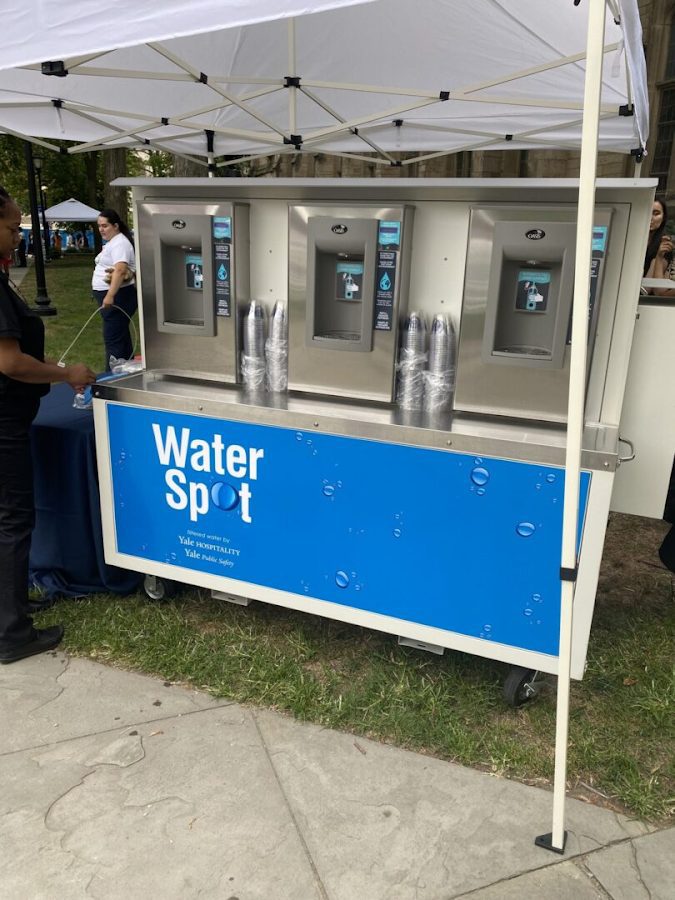
The purchase price or rental rate is only one line of the budget. Compare costs over the same period using the same assumptions about use.
| Cost area | Questions to ask | Why it matters |
| Equipment | What is included in the price? | Defines what you are comparing |
| Delivery | Is transport included, and for what distance? | Often a separate charge |
| Setup | Does the site need preparation or a water connection? | Captures cost before first use |
| Service | Who cleans, inspects and repairs? | Affects staff time and downtime |
| Storage | Where does the unit sit between uses? | An ongoing space requirement |
Apply the same categories to every rental quote, even where an item does not apply.
A simple break-even calculation
Compare the total rental cost over the years you expect to hold events against the purchase price plus upkeep. Here is an example using hypothetical numbers, not Aquahaulics pricing:
- Rental: $1,000 per event, 6 events a year, 5 years = $30,000
- Purchase: $20,000 up front, plus about $500 a year in cleaning and storage = $22,500
In this example, buying wins. With only 2 events a year, rental costs $10,000 over 5 years and renting wins. The more often you use the station, the stronger the case for owning. Contact us and we can help you run the numbers for your own schedule.
Which option fits your situation
One-time events and short-term needs. Renting spares you storage and maintenance after the crowd leaves. Check that the rental period covers arrival, the event and collection, and ask what happens if weather changes your plans.
Recurring or seasonal events. Add up rental fees for the whole season and compare them with ownership, including off-season storage. A dependable annual schedule favours buying.
Permanent facilities with steady demand. Parks, schools, campuses and large facilities that serve people year-round usually benefit from owning. Staff can handle routine care, and the station supports a long-term goal of replacing bottled water.
Uncertain attendance or changing sites. If you cannot predict peak use, flexibility has value. Renting lets you learn your real demand before you buy.
Why AQUAPOD® is built for both buying and event use
AQUAPOD® stations are designed to move easily and set up quickly, which makes them practical for events and permanent sites alike.
- Connects to city water. The unit uses municipal water pressure to dispense, so no holding tanks are required.
- Touchless refilling. A motion sensor in each outlet starts the flow when a bottle is placed and stops it when the bottle is removed. See how a touchless water refill station works.
- Fast and clean. A typical 500 ml (16 oz) bottle fills in under 10 seconds with a smooth stream and no splashing.
- Two sizes. Choose the standard AQUAPOD® or the compact Aquapod Mini on our products page.
- Multiple outlets. Higher-traffic sites can use more outlets per unit. Read why a four outlet filtered water machine works well for refill stations.
- Patented and trademarked. AQUAPOD® is patented in Canada, the U.S. and internationally.
How to match station capacity to user needs
Capacity is about more than the total number of people expected. A large crowd may arrive in a short rush, while a smaller group may use a station steadily over many hours. Think about peak demand, the refill volume users may need, and how much time they have to access the station. These estimates help you avoid both an undersized setup and equipment that is more than the site needs.
Estimating peak demand and refill volume
Start with expected attendance, event length, and the times when people are most likely to seek water. If you have records from a similar event, use them as a starting point, then adjust for changes in schedule, weather, and site layout. Ask the supplier what capacity information is available for the proposed unit, and how it relates to your anticipated use. A realistic peak estimate is more helpful than a single attendance total.
Choosing the number and placement of stations
The right number of units depends on how users move through the site as well as how many people attend. One station near a main entrance may not serve people spread across a large venue. Review likely routes and gathering points, then consider where stations can be visible and reached without crowding. Placement and capacity work together: a well-positioned station can be easier to use, while an inconvenient one may leave demand concentrated elsewhere.
Considering bottle types, accessibility, and ease of use
Think about who will use the station and the containers they are likely to bring. Check that the unit can accommodate expected bottle types and that its approach and controls are practical for the intended users. Walk through the setup from a visitor’s point of view: can someone identify it, reach it, and refill without disrupting the flow around them? Confirm equipment details with the provider instead of assuming that all designs work alike.
Checking potable water and site requirements
Capacity planning only works if the water source and site arrangement are suitable. Confirm that the source is potable and that connection, placement, and any applicable site requirements have been reviewed with the responsible parties. If the station will be outdoors or in a temporary space, ask what additional site details need to be addressed. These checks should happen before you settle on a unit count or finalize the event layout.
How to make the final decision
A sound choice is one you can explain in terms of cost, responsibilities, and fit. Gather comparable quotes, verify operating details, and test the plan against changes you can reasonably anticipate. Then decide whether owning the equipment or renting it better matches your schedule and capacity to manage it. A clear process makes it easier to separate real value from assumptions.
Compare quotes using the same service assumptions
Set up a common comparison period and make sure each quote covers the same basic needs. Include delivery, setup, service, collection, and any other charges that apply. If one offer includes a task that another leaves to you, record both the cost and the staff time involved. When your organization is also planning its public-facing information, Marketing Blendz builds informational and custom websites tailored to distinct business needs; treat that as a separate decision from choosing station service.
Review rental terms, cancellation policies, and liability
Read the agreement for the rental period, cancellation rules, changes to dates, and responsibility for damage or loss. Ask how the terms apply if your event is postponed, shortened, or moved to another location. Confirm any limitations on use and what you must do before the station is returned. Clear terms reduce the chance that an operational change turns into an unexpected cost or disagreement.
Confirm support plans for breakdowns or water interruptions
Ask who to contact if the unit stops working and what response the provider or your maintenance team can offer. Clarify what happens if the water supply is interrupted, and identify an alternative plan for users. For an owned station, decide who is responsible for diagnosing a fault and arranging repair. A plan that names responsibilities is more useful than assuming someone will step in when the problem occurs.
Weigh convenience, flexibility, and long-term value
The lowest initial price may not be the easiest arrangement to manage. Consider how much effort each option requires, how well it fits your schedule, and whether your needs might change. Renting can reduce the commitment to long-term storage, while buying can suit repeated use if maintenance is manageable. Choose the option that delivers a workable balance of cost and responsibility for your actual setting.
Conclusion
Buying and renting can both be sensible. The right choice fits your schedule, site, budget and capacity to manage the station. If you hold several events a year or run a permanent site, owning an AQUAPOD® often pays off. For a single event, a rental may be simpler.
Ready to talk it through? Call Aquahaulics at (877) 291-7020 or request a quote. You can also see our stations at work on the events page.
Frequently asked questions
Is it better to buy or rent a water refill station?
It depends on how often you need it and who can handle maintenance and storage. For frequent or year-round use, buying usually costs less over time. For a single event, renting is often easier.
What should a rental quote include?
Ask whether it covers the station, delivery, setup, servicing, collection and the full rental period, and which tasks remain yours.
How far ahead should I book?
As early as your dates are known, especially for summer weekends and festival season.
What site requirements should I check?
Delivery route, placement area, potable water connection, and any access limits. AQUAPOD® connects to city water and needs no holding tank.
How many outlets do I need?
Base it on peak demand and how people move around the site. As a rough guide, plan 3 to 6 refills a minute per outlet, then confirm with Aquahaulics.
Who is responsible for cleaning and repairs?
This depends on the arrangement. Agree in advance who will clean, report problems and arrange repairs.
Can renting make sense for annual events?
Yes, if the number of events is low. Compare total rental cost across all events with the full cost of owning, including off-season storage.