
TOUCHLESS WATER BOTTLE REFILL STATION: HOW IT WORKS
Learn how a touchless water refill station senses bottles, dispenses water, and fits your facility’s needs.
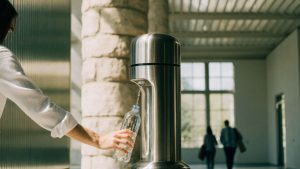
Key Takeaways
A touchless water bottle refill station lets people fill a bottle without touching a thing. Put the bottle under the spout, and a sensor does the rest. No buttons, no handles, no waiting. Here’s how it works, where it fits, and what to look for before you choose one.
- A sensor detects a bottle in the filling area and activates water flow.
- Touchless describes how dispensing starts; filtration and monitoring vary by model.
- Flow rate, accessibility, power, and filter needs all matter when choosing a station.
- Placement and clear instructions help people use a station comfortably.
- Regular cleaning and timely filter replacement support reliable operation.
How It Works: From Bottle to Full in Seconds
A touchless water bottle refill station dispenses drinking water into a reusable bottle without requiring you to press a button with your hand. In many models, a sensor detects a bottle positioned beneath the spout and starts the flow. The exact activation method and operating details depend on the station.
The term describes the dispensing experience, not every part of the unit. A station may have a hands-free filler alongside a separate drinking fountain with a different control, and filtration or filter-status features can vary. Check the product specifications rather than assuming that every unit is fully touchless or includes the same water-treatment functions.
For you and your facility, the practical question is whether the station suits the people who will use it and the space where it will be installed. Consider bottle sizes, access around the unit, water supply, power needs, and how the station will be cleaned. Those details shape whether a refill point feels convenient day to day.
How a Touchless Water Refill Station Works
A touchless water refill station generally combines a sensing system with a valve that controls water flow. You position a bottle in the filling area, and the station responds according to its sensor and controls. The details can differ across models, so it helps to understand the main stages before comparing options.
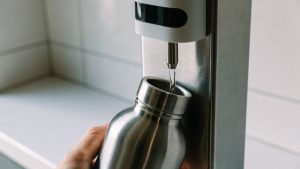
Sensors Detect and Position the Bottle
The sensor is designed to recognize that an object, usually a bottle, is in the dispensing area. You place the bottle under the spout, leaving enough room for it to sit steadily while water flows. A clear filling area makes it easier to position different bottle shapes without touching the controls.
Sensor range and placement are product-specific. If a bottle is not detected, it may be too far from the sensing area or positioned outside the intended zone. Following the installation and use instructions can help you avoid frustrating false starts.
Water Flows, No Buttons Needed
Once the sensor registers the bottle, the station activates its water control. Depending on the model, water stops when you move the bottle, when a dispensing interval ends, or through another control method. Check the unit’s documentation to understand its specific operation rather than assuming all sensors behave alike.
Is the Water Filtered and Safe to Drink?
Touchless activation and water treatment are separate considerations. A station may connect to a filter, but the filter type, replacement schedule, and any monitoring display depend on the model. A product specification should tell you what is included and what maintenance the system requires.
This quick comparison shows why you should assess filtration and monitoring separately from the sensor itself.
| Feature | What to check | Why it matters |
|---|---|---|
| Sensor activation | Detection area and activation method | Helps you confirm how a bottle starts dispensing |
| Filtration | Filter type and replacement interval | Clarifies what maintenance is required |
| Status indication | Whether a display or indicator is included | Helps staff know when to review filter status |
Why Touchless Beats a Push-Button Station
With a touchless filler, you can offer bottle refills without asking users to press a shared dispensing button. That can reduce contact with the control surface during ordinary use. It does not remove the need to clean the station or follow the facility’s hygiene practices, but it can make the dispensing step simpler.
A refill point can also make reusable bottles easier to use in places where people come and go throughout the day. When the station is easy to find and the bottle fits comfortably beneath the spout, people have a straightforward option for refilling instead of relying only on packaged drinks. The experience still depends on placement, upkeep, and the unit’s flow and capacity.
Where Touchless Refill Stations Work Best
You may see touchless bottle fillers in schools, offices, healthcare settings, recreation spaces, and other public or commercial buildings. They are most useful where a facility wants to provide a convenient bottle-refill point for a steady flow of people. The right unit depends on the space, users, and available plumbing or power.

Think through how people move through the area before choosing a location. A station near a common route may be easier to find, while a spot that blocks a corridor or crowds an entrance can create a bottleneck. Leave room for users to approach, position a bottle, and move away without obstructing others.
Touchless vs. Traditional Bottle Filling Stations
A touchless station uses a sensor or another hands-free activation method to start dispensing, while a traditional filler may require a person to press or hold a control. That difference can matter in a shared space where many people use the same equipment. It is useful to confirm exactly which functions on a combination unit are touchless.
A traditional refill station makes you press or hold a button, so everyone touches the same surface. A touchless one starts and stops on its own. Both fill bottles, but touchless is cleaner, faster to use, and easier for kids, people carrying bags, and anyone with limited hand strength.
How to Choose a Touchless Water Refill Station
Choosing a station means matching its functions to the people, building, and maintenance plan you already have. Start with how often the station will be used and the types of bottles people bring. Then check the specifications closely, since sensor behavior, filtration, power, and installation needs can vary.
Consider Flow Rate, Filtration, and Accessibility
Flow rate affects how long a refill takes, especially where several people may be waiting. Check the manufacturer’s stated performance and consider whether the filling area accommodates the bottles your users are likely to bring. You should also review filter details and any accessibility information in the product documentation.
A useful comparison keeps these questions visible as you assess options: how the station dispenses, what water treatment is specified, and whether people can approach and use it comfortably. Do not infer filtration or accessibility features from the word “touchless” alone. Verify each item against the model’s specifications.
Check Installation and Maintenance Requirements
Before you settle on a model, confirm how it connects to the water supply and whether it needs an electrical connection or supports another power option. Check for compatibility if you plan to add a filler to existing equipment. These details can affect both the installation plan and ongoing service.
Use a short pre-installation review to keep the practical requirements together:
- Confirm the mounting approach and available wall or deck space.
- Check water connections and any compatibility requirements.
- Verify power needs, including whether a battery option is available.
- Identify filter replacement and cleaning tasks for your maintenance plan.
Once you have those answers, you can compare stations on a like-for-like basis and identify questions to raise with the installer or supplier. If you publish directions or support information for users, make sure those details are easy to find as well.
Keeping Your Station Clean and Working
A sensor-activated station still needs routine cleaning. Wipe the exterior surfaces and bottle-filling area according to the manufacturer’s instructions, using only cleaning products suitable for the unit. Keeping the area around the station clean also makes it easier for users to approach and position a bottle.
Treat the sensor and spout with care. Avoid cleaning methods that could damage electrical components, finishes, or the dispensing area, and follow the product manual for any model-specific precautions. If the sensor does not respond consistently, check for visible obstruction and consult the manufacturer’s troubleshooting guidance rather than adjusting components without instructions.
Filters, when included, need attention on the schedule specified for that model. Record service dates and make sure the person responsible knows how to check any status indicator. With a clear maintenance routine, you can help keep the station ready for everyday use and address small issues before they disrupt access to refills.
Ready to Add a Touchless Water Station?
A touchless refill station pairs bottle detection with water dispensing, but the details behind that simple interaction vary from model to model. When you compare activation, filtration, access, installation, and upkeep together, you can choose a station that fits your facility and feels straightforward for the people who use it.
Frequently Asked Questions
How does a touchless water refill station work?
A sensor detects a bottle in the filling area and activates a water control. The exact detection method and how dispensing stops depend on the model.
Does every touchless refill station have a water filter?
No. Touchless describes the activation method, not whether filtration is included. Check the model’s specifications for filter details and replacement requirements.
Do touchless bottle fillers need electricity?
Some models require a plug-in power source, while others may offer a battery option. Confirm the power requirements for the specific unit you are considering.
Are all parts of a combination hydration station touchless?
Not necessarily. A combination unit can have different controls for its bottle filler and drinking fountain, so review the activation details for each function.
What should you consider when choosing a station?
Compare flow rate, bottle clearance, filtration, accessibility information, power, installation needs, and maintenance requirements. The right balance depends on your users and facility.
How often should a touchless refill station be cleaned?
Follow the manufacturer’s cleaning instructions and your facility’s routine. Filter service, if applicable, should follow the schedule specified for that model.